Need emergency tree removal in Dunedin?
- Discuss tree access near your older home
- Ask what the written quote includes
- Confirm who handles branches and debris
- Check local provider availability
No obligation
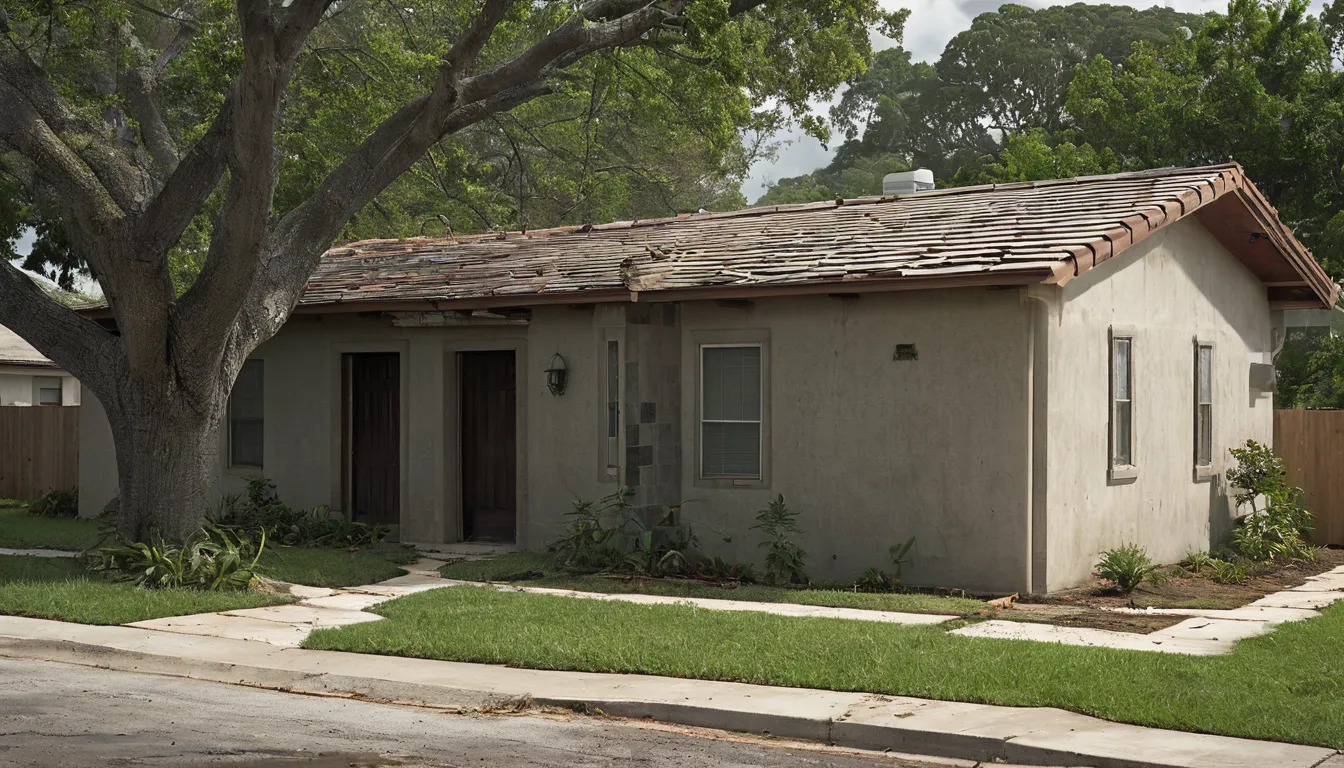
A fallen tree can leave you unsure where to start, especially when it rests on a roof or blocks the driveway. Keep clear of the tree and any nearby wires. Once you are somewhere safe, Eddapp Tree Service can help you request emergency tree removal in Dunedin, FL. We are a referral service. Providers in our network assess the situation, explain access needs and set their own prices. Availability depends on the provider, weather and conditions at the property.
Older houses can need extra planning before equipment enters the yard. Worn roof tiles, repaired concrete and narrow side gates may change how a provider approaches the job. Tell the provider about known repairs and ask what the written quote includes. That helps you compare the removal work, hauling charges and any separate equipment costs before you agree to an appointment. The provider carries out the agreed work.
Stay away from fallen trunks, hanging limbs and exposed roots. A tree resting on a house or another tree may shift without warning. Keep children and pets out of the area. Do not climb onto the roof or try to pull branches away with a vehicle. Leave the assessment to a local provider.
If a tree touches a wire, keep away from the tree, wire and nearby objects. Contact emergency services if someone is trapped or faces danger. Report damaged power lines to the utility. A tree removal appointment does not replace those steps. The provider may need the utility to make the area safe before work begins.
Emergency tree removal may be needed when a tree has fallen onto a home, blocks an essential entrance or has split near an occupied area. A new lean with lifted soil also needs prompt attention from a qualified provider. Describe what you can see from safety. You do not need to decide whether the tree can be saved.
Use the request form to describe the tree, what it touches and whether another entrance is available. Photos can help if you already have them or can take them without approaching the hazard. Mention blocked roads or gates. Eddapp Tree Service connects homeowners with independent providers across the Dunedin area; the provider confirms whether they can accept the job.
Concrete block walls and a slab foundation do not remove the need for careful access planning. Point out patched driveways, older drain covers and roof repairs you know about. Narrow gates may limit equipment choices. Tell the provider where buried services are known to run, while leaving any required locating work to the proper service.
Before cutting, the provider needs to assess how the tree is supported and where its weight rests. A trunk across a roof can require a different approach from a tree lying flat in a yard. Ask how sections will be supported and lowered. Avoid asking for a quick cut that skips this assessment.
Storm tree clearance can involve securing unstable sections, cutting the tree into manageable pieces and moving debris to a loading area. Equipment depends on the tree and access. Ask whether the quoted visit includes hauling or only removal from the structure. Building repairs usually need a separate contractor, so confirm where the tree provider's work ends.
Urgent removal costs depend on size, reach, weight and the hazards around the tree. Restricted access can add labor or equipment charges. A crane may change the total substantially. Storm demand can also affect pricing. Ask the provider to explain each charge, including any fee for assessment or travel, before accepting an appointment.
Two quotes are useful only when they describe similar work. Check which tree sections are included, where debris goes and whether equipment charges are separate. Ask how the provider handles a change in scope after work starts. For a search such as tree falling service, clarify that you need help with a damaged or fallen tree.
Some policies may cover sudden damage; check your policy. Save safe photos, the written quote and receipts. Ask your insurer what records it needs and whether approval is required before work. Providers can often help document damage for a claim. Coverage, deductibles and payment decisions come from the insurer, so keep those questions separate from the removal quote.
Frequent summer storms can leave several nearby properties needing help at once. During hurricane season, from June to November, weather and blocked routes may affect appointments. Ask the provider how updates are shared and what could delay the visit. Many providers can respond quickly, but availability needs confirmation for your address and the work involved.
If the tree crosses a boundary or stands on condo property, tell the provider before booking. You may need an association or property manager to approve access and work. Ownership and responsibility can need separate advice. Avoid agreeing to work on someone else's property without permission. Ask whose approval the provider needs to prepare a written scope.
Once the provider says the work area is safe, review the agreed cleanup together. Look at the driveway, gates and nearby roof edges from ground level. Compare the finished work with the written scope. If the tree struck the house, arrange a separate building assessment. Tree removal alone does not establish that the roof or structure is safe.
After the urgent work, ask whether nearby trees need assessment for storm damage. Mention branches that recently changed position or cracks you noticed before the storm. Around older homes, keeping records of repairs and access limits can help with later quotes. An inspection can identify concerns, though it cannot promise that a tree will withstand future weather.
Describe the fallen tree and nearby hazards so a local provider can assess your request.
Discuss narrow gates, repaired driveways and roof materials before the provider plans equipment access to your property.
Ask which removal tasks, equipment charges and hauling costs appear in the provider's written quote before booking.
Confirm whether the provider removes debris or leaves cut wood in an agreed location.
These broad, typical U.S. planning ranges vary by job and are not local offers. Categories may overlap. Ask the provider for a written quote that explains equipment, hauling and exclusions.
| Item | Typical U.S. range | Notes |
|---|---|---|
| Accessible fallen tree removal | $300 to $1,500 | Ground access and trunk size affect the total. |
| Small damaged tree removal | $400 to $1,200 | Nearby hazards can raise the price. |
| Medium damaged tree removal | $800 to $2,500 | Controlled lowering may add labor. |
| Large damaged tree removal | $1,500 to $5,000 | Weight, reach and access affect equipment needs. |
| Complex removal involving a structure | $2,000 to $8,000 or more | Special equipment may be needed; building repairs are separate. |
| Debris hauling when priced separately | $150 to $800 | Volume and disposal charges vary; check whether already included. |
Share what the tree touches and whether access is blocked, using details gathered from a safe place.
A local provider confirms whether they can assess your urgent removal request.
Check the proposed work, equipment charges and debris arrangements before accepting the quote.
Confirm access instructions and how the provider will share any appointment changes.
Eddapp Tree Service connects you with independent providers who assess the tree and price the agreed work.
Your known repairs and entry limits help the provider plan the visit.
Written scopes help you compare removal charges and spot separate hauling costs.
Ask the provider about availability and property access before agreeing to an appointment.
Eddapp Tree Service is a referral service that connects you with independent local providers. Describe the hazard through the request form. The provider confirms availability, assesses the tree and arranges any agreed appointment.
Typical U.S. costs can range from several hundred dollars to several thousand, depending on size, access and hazards. Trees resting on buildings may need special equipment. Get a written quote with hauling and equipment charges clearly explained.
Do not assume roof repairs are included. The tree provider's quote should define the removal work and cleanup. If the tree struck your roof, arrange a separate assessment with a suitable building contractor. Ask your insurer about documentation before authorizing additional work.
Tell us about your tree, nearby structures and access. Request a connection with a local provider to discuss an assessment and written quote.
No obligation